Technology that was falling behind
Node.js 14 and older serverless tools created security and maintenance concerns as support ended.
25,000+ screens. One platform. No room for disruption.
We helped Triggerpoint Media modernize its advertising platform, improve performance, and strengthen security while keeping the business running across thousands of connected screens.
Explore the story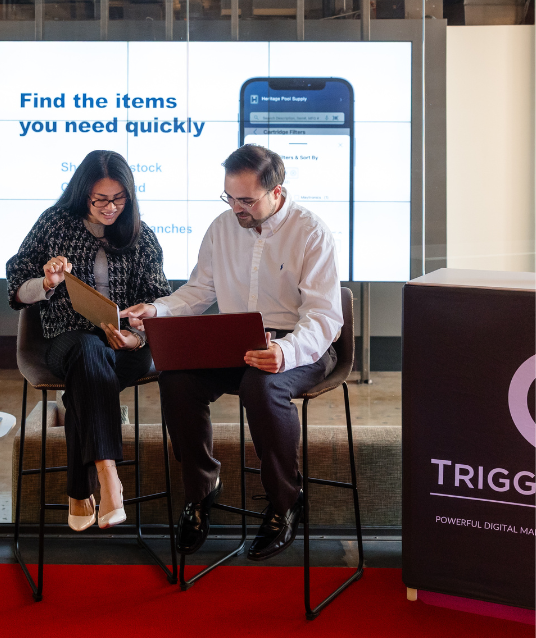
Imagine managing advertising across more than 25,000 TVs and digital screens. Every screen needs to stay connected, receive updates, and display the right content. Dozens of services work together to make that happen.
Triggerpoint Media was operating around 25 microservices on AWS, communicating with connected devices through MQTT. Everything depended on Node.js 14, which had reached the end of its supported life.
Replacing the system was not an option. Our task was to modernize the services behind the scenes without disrupting the functionality the business and its connected screens already relied on.
4 connected challenges shaped the product's direction.
Node.js 14 and older serverless tools created security and maintenance concerns as support ended.
Existing build tools had compatibility issues that blocked the migration.
More than 25,000 connected screens depended on the platform during the upgrade.
The platform needed stronger service security and better access to information from connected devices.
Our approach connected useful experiences with the technology needed to power them.
We upgraded Node.js 14 to Node.js 20, Serverless Framework v2 to v3, and AWS SDK to v3, with services running on Amazon Linux 2023.
We replaced serverless-bundle with serverless-esbuild and updated the build pipeline, resolving compatibility issues while reducing build times and deployment package sizes.
We migrated the runtime across around 25 microservices while maintaining existing functionality and retaining the warmup plugin to help control cold starts.
We added signed requests between services and integrated Amazon Kinesis to capture live device data and support new reporting capabilities.
Upgrading the foundation of an operating platform without unnecessarily changing what already worked.
Reviewed microservices and dependencies to identify necessary upgrades while protecting working functionality.
Migrated services to Node.js 20, Serverless Framework v3, and AWS SDK v3 with updated configuration.
Introduced serverless-esbuild, improved the pipeline, and updated IAM configuration for faster deployments and smaller packages.
Added signed service communication and retained warmup functionality to reduce cold-start delays.
Integrated Kinesis for live device reporting, with work supporting shared libraries across businesses and remote device updates.
Supported serverless services, connected-device communication, and AWS infrastructure.
Build time fell from 12 minutes to 7 minutes. Deployment bundles became roughly 40% smaller, and cold-start performance improved by around 20%, while the modernized platform continued supporting more than 25,000 connected screens.
Deploy changes faster with smaller packages.
Run services on supported technology with stronger service-to-service security.
Capture live device data for reporting.
Support remote device updates and shared libraries across businesses.
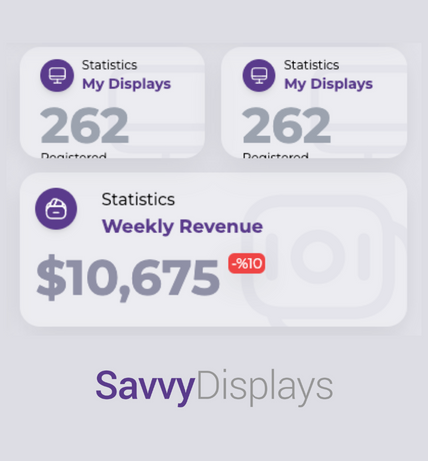
Supplied illustrative visuals representing the connected advertising network, not actual product screenshots.


Keep exploring how we turn real business problems into working products.
 CORPORATE REWARDS & INCENTIVES
One rewards platform. Different brands. Thousands of happy moments.
We helped V2 Incentives build a shared backend that brings branded promotions, reward redemptions, payments, and real-time updates together without building a separate system for every corporate client.
 FACILITY & AIRPORT OPERATIONS
Big facilities need more than a checklist to keep everything running.
We helped SMS Holdings bring inspections, reporting, and field operations into one connected web and mobile platform, helping inspectors cover large facilities while keeping operations teams informed.
 CONSTRUCTION TECH
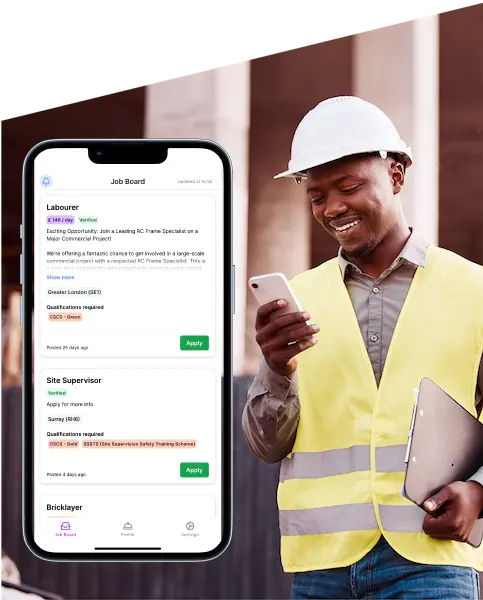
Finding the right construction job shouldn’t be harder than doing the job itself.
A connected job-discovery platform helping construction workers find relevant opportunities, manage their professional information, and search naturally with AI.
 HOSPITALITY & FOOD SERVICE
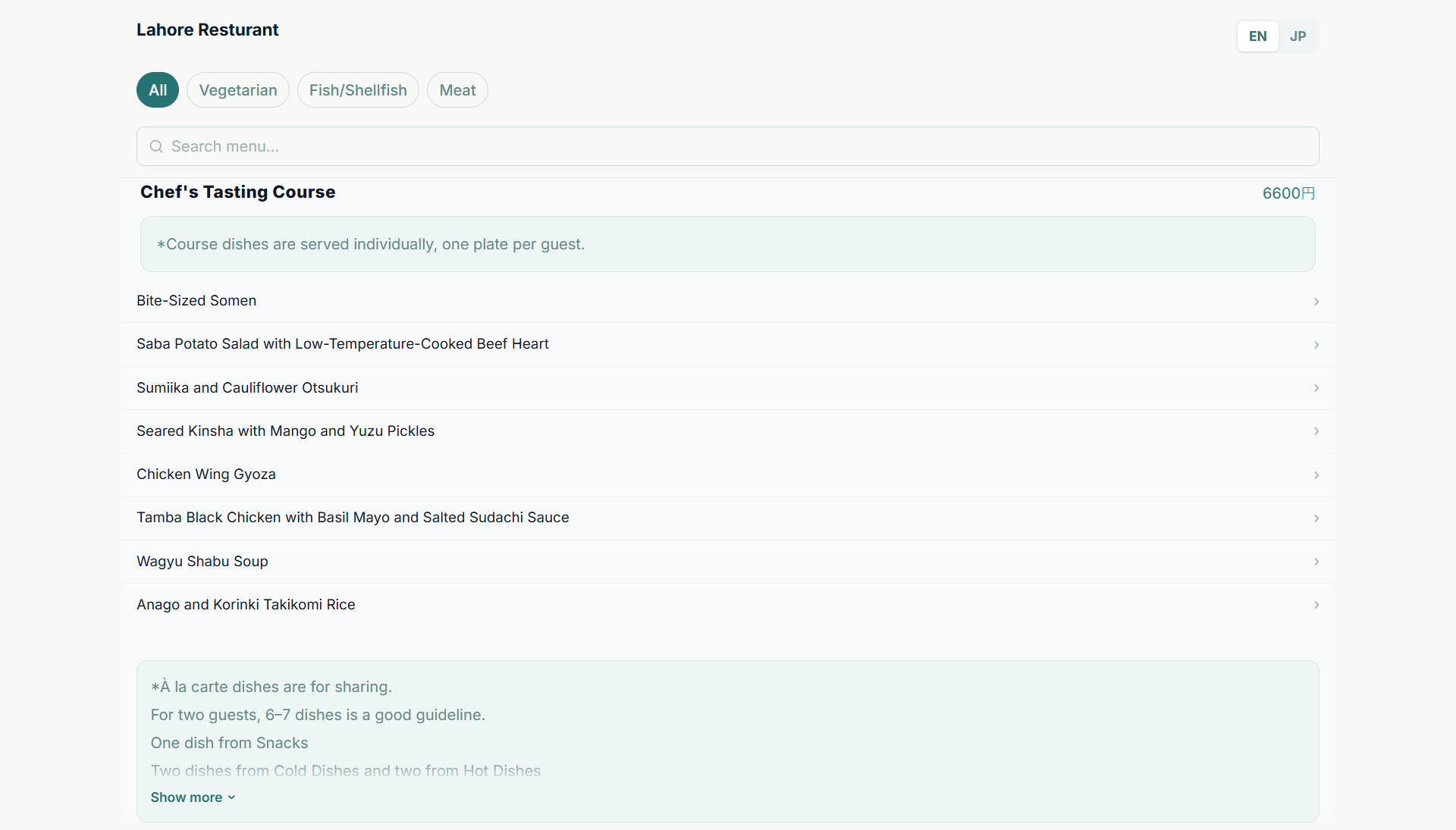
Good food deserves a menu everyone can understand.
MenuBridge turns existing restaurant menus into digital, bilingual experiences. Restaurants upload the menus they already have, use AI for extraction and translation, and share the finished menus through a QR code.